


All Fluence tipsheets are now available to read and share online at our website, The Daily Agenda:
Want to manage your subscription to TheDailyAgenda.com? HERE: https://fluence-media.co/managesubscription
NUMBERS & POLLING
HEALTH SPENDING: Via KFF, VERBATIM: “In a given year, a small portion of the population is responsible for a very large percentage of total health spending. We tend to focus on averages when discussing health spending, but individuals’ health status – and thus their need to access and utilize healthcare – varies over the course of their lifetimes. In fact, very few people have spending around the average.”
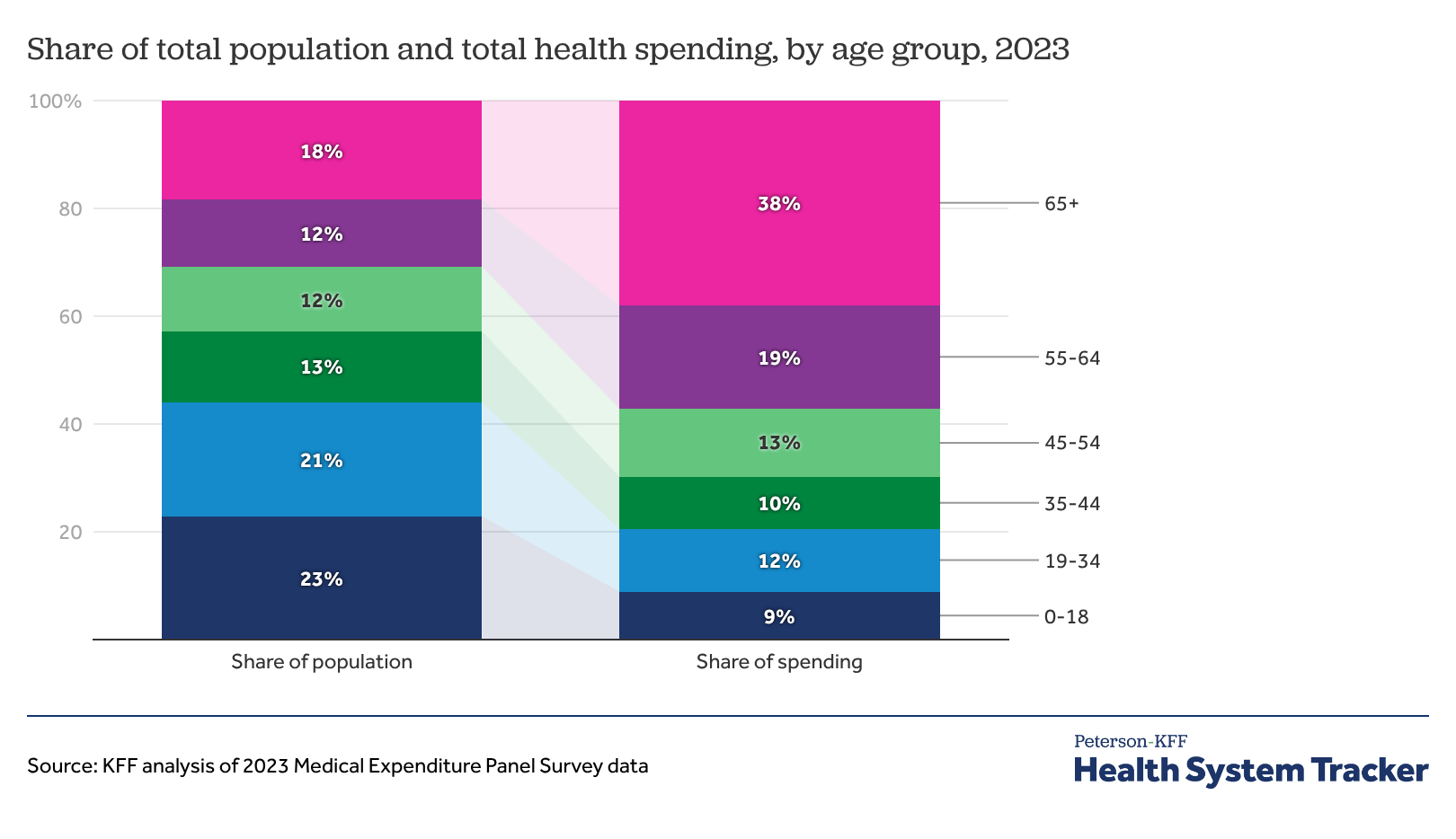
“While there are people with high spending at all ages, overall, people age 55 and over accounted for 57% of total health spending in 2023, despite making up only 30% of the population. In contrast, people under age 35 made up 44% of the population but were responsible for only 21% of health spending.” READ: https://fluence-media.co/4aMuy2T
LTC: Via CareScout, VERBATIM: “The cost of long-term care services in Minnesota was mixed year-over-year, according to the 2025 Cost of Care Survey conducted by CareScout.”
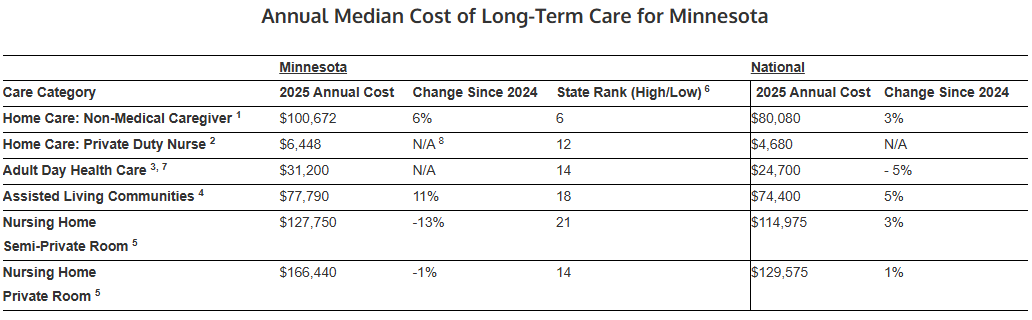
“Nationally, long-term care costs remain elevated across care settings, reflecting years of inflationary pressure, workforce challenges, and growing demand as the population ages. However, findings suggest the pace of increases may be moderating across many care types, following several years of sharper growth.” READ: https://fluence-media.co/40E0D75
RELIGION: Via Gallup, VERBATIM: “The percentage of Americans who say religion is “very important” in their lives has leveled off below 50% in recent years, including 47% in 2025. The reading has been gradually declining from 58% in 2012 and was as high as 70% to 75% in the 1950s and 1960s.” READ: https://fluence-media.co/4rNHBr3
Check out all the episodes of Sunday Take on 830 WCCO. CLICK: https://fluence-media.co/3KsuDrZ

MEDICAID SUPPORTS HEALTH CARE FOR ALL OF US: Medicaid keeps Minnesota’s hospitals strong and ensures communities across the state have access to care. Policymakers must protect Medicaid so every Minnesotan — regardless of income or health status — can get the care they need, when they need it. LEARN MORE: https://fluence-media.co/3FtrCuH (SPONSORED: Minnesota Hospital Association)
HEALTH IN MINNESOTA
CDC FUNDING: Via KTTC-TV, VERBATIM: “The Minnesota Department of Health (MDH) is fighting to keep $38 million in funding as the Centers for Disease Control and Prevention (CDC) announced that it is terminating its Public Health Infrastructure Grant. According to the MDH 107, health departments across 50 states received that funding, but only Minnesota, California, Colorado and Illinois have had these funds cancelled. MDH Commissioner Brooke Cunningham says the grant supports local health agencies, tribal public health, and community partners who receive funds from these awards through MDH.” WATCH: https://fluence-media.co/4cYh7hG
FRAUD: Via WCCO-TV, VERBATIM: “Thousands of Minnesotans enrolled in Medicaid take a total of millions of trips to their medical appointments each year through nonemergency medical transportation services, a federally required, taxpayer-funded program that’s among more than a dozen others Minnesota determined to be at ‘high risk’ for fraud. On Monday, Department of Human Services officials testified to the Minnesota House fraud prevention panel about its vulnerabilities and steps the agency has taken to fight fraud.” WATCH: https://fluence-media.co/4sh3w9K
NEW MOMS: Via Axios, VERBATIM: “More new moms in Minnesota are having kids solo in their 40s, with births to unmarried women 40 and over roughly tripling since 2007. State of Labor and Delivery: Just over 1% of babies in Minnesota were born to women who met that criteria in 2024, per CDC data. That small but growing group translated to about 700 births that year.” READ: https://fluence-media.co/4787eKG
PRENATAL CARE: Via Stateline, VERBATIM: “Nearly a quarter of pregnant women aren’t getting prenatal care in the early stages of pregnancy, according to a new analysis from the U.S. Centers for Disease Control and Prevention. The share of pregnant women getting prenatal care had been improving: It rose between 2016 and 2021 to a high of more than 78%, but then declined to 75.5% by 2024, wiping out previous gains.” READ: https://fluence-media.co/4b1guBD
MAYO: Via Mayo Clinic, VERBATIM: “In 2025, Mayo Clinic advanced cures, accelerated diagnoses and expanded access to care through its Bold. Forward. strategy, introducing hundreds of innovations to better serve patients worldwide.” QUOTE: “Guided by our primary value of putting the needs of our patients first, 2025 was another strong year for Mayo Clinic,” said Gianrico Farrugia, M.D., president and CEO. “Through our Bold. Forward. strategy, we delivered new capabilities that meaningfully improved patients’ lives and positioned us to accelerate patient-centered transformation in the year ahead.” READ: https://fluence-media.co/4ck63eG
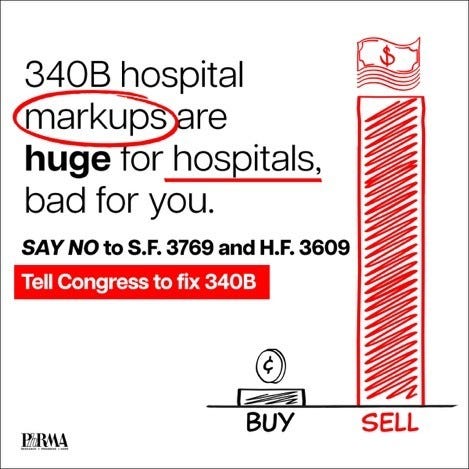
340B HOSPITAL MARKUPS HURT PATIENTS: Minnesota’s latest 340B report shows covered entities generated $1.34 billion IN PROFIT in 2024, including an estimated $261 million from Medicaid prescriptions. Independent research finds the program raises costs for patients, taxpayers, and employers statewide. Minnesota should sunset the 340B mandate and Congress should fix the federal 340B program, so it actually helps patients. LEARN MORE: https://fluence-media.co/46Bh9IA (SPONSORED: PhRMA)
DC + HEALTH
MEASLES: Via The Hill, VERBATIM: “Jay Bhattacharya, the recently appointed acting director of the Centers for Disease Control and Prevention (CDC), on Monday urged families to consider vaccinating against measles as outbreaks across the country continue. In a video statement posted on the social media platform X, Bhattacharya discussed the steps that the CDC is taking the address the measles situation in the U.S., including ‘surging’ resources and coordinating with states to spread education and outreach.” READ: https://fluence-media.co/4l9dyHB
LEAD CLEANUP: Via KFF Health News, VERBATIM: “Tighter regulations and an influx of federal money in recent years have helped communities across the U.S. initiate efforts to clean up lead contamination in soil, drinking water, and older homes. But Congress and the Trump administration have partially rolled back those rules and resources, potentially making it more challenging for cash-strapped cities and towns to undertake sweeping lead remediation programs.” READ: https://fluence-media.co/4b3Ibtk
WILD RICE: MinnPost reports on a threat to the wild rice harvest on the White Earth Reservation. VERBATIM: “The channel abuts an active Superfund site that is part of a federal government cleanup program for some of the most polluted areas in the country. The site sits between State Highway 371 and Pike Bay, a 4,700-acre lake just outside the city of Cass Lake. Groundwater pollution stretches east beneath the channel and is migrating to the surface. And recent testing shows that the groundwater pollution is spreading south to Fox Creek, which flows into Pike Bay. It’s putting wild rice harvesting — and Ojibwe traditions — in further jeopardy. And if contamination spreads, it could become a problem for communities downstream.” READ: https://fluence-media.co/4rQW6dE
Support rural health care by strengthening 340B: Policymakers have an opportunity to support rural care providers by strengthening the 340B Drug Pricing Program – a program designed to support health care facilities that provide a high level of services to low-income, underserved communities. Savings from those discounts are used to reinvest in care and stretch limited resources further for patients. To prevent these savings from moving to drug manufacturers’ bottom lines, we need to extend and strengthen the 340B program. LEARN MORE: https://fluence-media.co/4s0oGc4 (SPONSORED: Essentia Health)
INNOVATION & RESEARCH
BP: Via WCCO-Radio, VERBATIM: “University of Minnesota researchers have found that more and more young people are suffering from high blood pressure, but they’re not doing much to address it. ‘You won’t know if your blood pressure is high without checking it.’ Pretty simple, right? But University of Minnesota medical school neurologist Dr. Hathen Hussain says it’s proven to be difficult to get young peopke. who have high blood pressure, to take action.” READ: https://fluence-media.co/3MJ92TD
MIGRAINES: Via Minneapolis-based American Academy of Neurology, VERBATIM: “For people with chronic migraine, taking glucagon-like peptide-1 receptor agonists, or GLP-1 drugs, for other conditions such as diabetes and weight loss, was associated with fewer emergency department visits and hospitalizations overall, and with less need for medications used to stop and prevent migraine attacks, according to a preliminary study released March 1, 2026, that will be presented at the American Academy of Neurology‘s 78th Annual Meeting taking place April 18-22, 2026, in Chicago and online. The people with chronic migraine starting GLP-1 drugs were compared to people with chronic migraine who were starting topiramate, a drug commonly used to prevent migraine.” READ: https://fluence-media.co/4cTSbrK
APP: Via Twin Cities Business, VERBATIM: “Q-rounds, a Minneapolis-based health care tech company, recently closed a $1.8 million funding round and plans to expand its software-as-a-service product to at least 12 hospitals. That product is a real-time virtual queue that alerts nurses, patients, and families when to arrive for rounds.” READ: https://fluence-media.co/46DigaN
DEMPSEY: Via Guardant, VERBATIM: “Guardant Health, Inc. (Nasdaq: GH), a leading precision oncology company, today announced its partnership with actor and cancer advocate Patrick Dempsey to increase awareness about colorectal cancer (CRC) screening and the Shield blood test. Approved by the U.S. Food and Drug Administration (FDA) in 2024 and recommended in national guidelines, Shield offers an easier way to screen for colorectal cancer (CRC) with just a blood draw for eligible individuals 45 and over at average risk for the disease.” READ/WATCH: https://fluence-media.co/3OVquos
HEART: Via CCX Media, VERBATIM: “February was American Heart Month and a Maple Grove cardiologist wants to remind people that small lifestyle shifts can make a big difference. ‘Heart disease is the most common reason of deaths in United States for adults. So, it is very important to spread awareness about heart health and following heart-health behaviors to avoid and prevent heart-related diseases and heart-related deaths,’ said Dr. Mohammed Al-Sadawi of M Health Fairview.” WATCH: https://fluence-media.co/4sjUFnH
FORUM: If you’re interested in having the Fluence Forum host a topic, please contact Blois Olson at bloisolson@gmail.com
ALZHEIMER’S: Via Mayo Clinic, VERBATIM: “In a study published in Nature Communications, Mayo Clinic researchers have identified specific DNA-level changes in the brains of people with Alzheimer’s disease (AD). Using advanced biological analysis, the team mapped alterations in the brain’s regulatory landscape that may help explain why Alzheimer’s presents and progresses differently from person to person. The findings could also open new avenues for understanding other neurodegenerative diseases.” READ: https://fluence-media.co/4aXBRDK
CANCER: Via University of Rochester Medical Center, VERBATIM: “Surviving cancer at a young age may come with an unexpected cost: faster aging at both the cellular and brain levels. Researchers found that survivors often show signs of being biologically older than their actual age, with chemotherapy accelerating the process most dramatically. This accelerated aging is linked to struggles with memory and focus, which can ripple into education and career outcomes. Encouragingly, scientists believe healthy habits like exercise may help turn back the clock.” READ: https://fluence-media.co/4b1c7WX
AI: Via Brown University, VERBATIM: “As millions turn to ChatGPT and other AI chatbots for therapy-style advice, new research from Brown University raises a serious red flag: even when instructed to act like trained therapists, these systems routinely break core ethical standards of mental health care. In side-by-side evaluations with peer counselors and licensed psychologists, researchers uncovered 15 distinct ethical risks — from mishandling crisis situations and reinforcing harmful beliefs to showing biased responses and offering ‘deceptive empathy’ that mimics care without real understanding.” READ: https://fluence-media.co/3N01FHi
Copyright © 2026 Fluence Media, All rights reserved.
You signed up or are media / a public official interested in health care news from Fluence Media.
Our mailing address is:
Fluence Media
PO Box 270031
Minneapolis, MN 55427